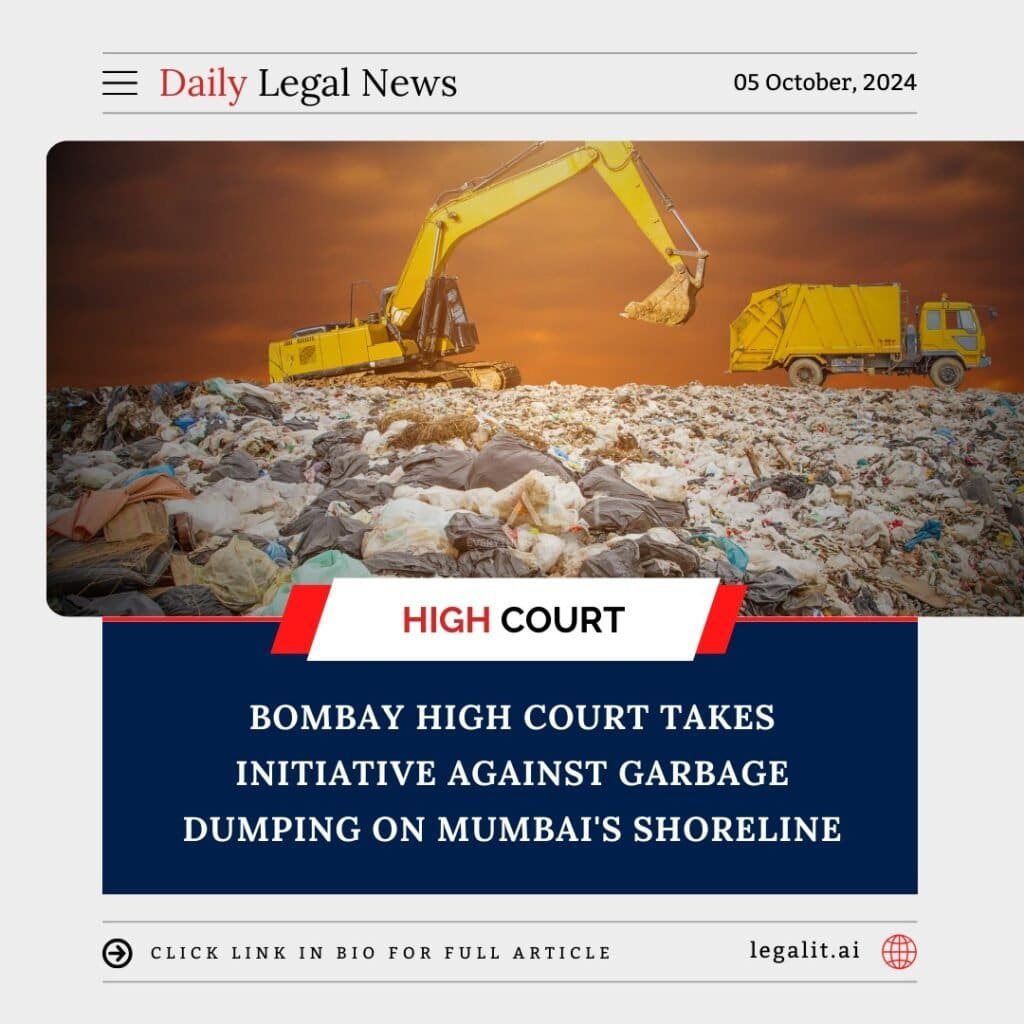
The Bombay High Court has taken significant steps to address the issue of garbage dumping along Mumbai’s shoreline by initiating suo motu cognizance. This move underscores the court’s proactive stance in environmental conservation and its recognition of the serious implications that unchecked waste disposal has on public health and ecological balance.
Background of the Case
Mumbai, known for its bustling lifestyle and beautiful coastline, has been grappling with the pressing issue of waste management. Over the years, the increasing population and urbanization have led to rampant garbage dumping, particularly along its shores. This practice not only tarnishes the aesthetic appeal of the city but also poses severe environmental risks, including marine pollution and threats to wildlife.
Residents and environmentalists have long raised concerns about the accumulation of waste, which has resulted in blocked drainage systems, leading to flooding during monsoons. The issue is further exacerbated by inadequate municipal waste management systems and a lack of public awareness regarding responsible waste disposal.
Court’s Ruling and Reasoning
In light of these pressing concerns, the Bombay High Court decided to take cognizance of the situation without any formal petition being filed. This decision reflects the court’s understanding of the urgency and severity of the issue. During the proceedings, the court highlighted the following points:
Environmental Degradation: The court emphasized the detrimental impact of garbage dumping on marine life and the broader ecosystem. It pointed out that neglecting this issue could lead to long-term ecological consequences.
Public Health Risks: The accumulation of waste can foster breeding grounds for disease-carrying pests, posing health risks to residents living in proximity to the shoreline.
Municipal Responsibility: The court questioned the municipal authorities about their responsibilities in maintaining the cleanliness of public spaces and ensuring that appropriate waste disposal methods are implemented.
Implications of the Judgment
The court’s proactive approach is expected to spur several important developments:
Increased Accountability: Municipal authorities may face heightened scrutiny regarding their waste management practices, leading to necessary reforms in waste collection and disposal methods.
Public Awareness Initiatives: The ruling may catalyze initiatives aimed at educating the public on the importance of responsible waste disposal and environmental conservation.
Strengthened Environmental Protections: This case could set a precedent for future environmental litigations, empowering the judiciary to take a more active role in protecting natural resources and public health.
Need for Reforms in Waste Management
This situation highlights the urgent need for comprehensive reforms in Mumbai’s waste management system. Some potential areas for improvement include:
Effective Waste Segregation: Promoting the segregation of waste at the source to enhance recycling and reduce the volume of waste sent to landfills.
Public Participation: Encouraging community involvement in cleanliness drives and educational campaigns to foster a sense of responsibility toward the environment.
Stricter Enforcement: Implementing and enforcing stricter penalties for illegal dumping to deter such practices and ensure compliance with environmental regulations.
Conclusion
The Bombay High Court’s decision to take suo motu cognizance of the garbage dumping issue along Mumbai’s shoreline signifies a crucial step towards addressing environmental concerns in urban India. By holding municipal authorities accountable and emphasizing the importance of ecological preservation, the court’s ruling could pave the way for significant changes in waste management practices. As the case progresses, it will be essential to monitor its impact on public policy and community engagement in environmental stewardship. Ultimately, fostering a cleaner and healthier urban environment is vital for the well-being of both residents and the natural ecosystem.
[ajax_laod_more]